WORKAI® introduces AI for Work — the AI-native approach to Employee Experience
LEARN MORE
Individual employee experience In the “Unit of One” model, the fundamental unit of experience design is no longer a group, but an individual. Not as a set of demographic data, but as a dynamic profile that includes ways of working, skills, development goals, engagement level, and the context in which a person operates. This shift […]
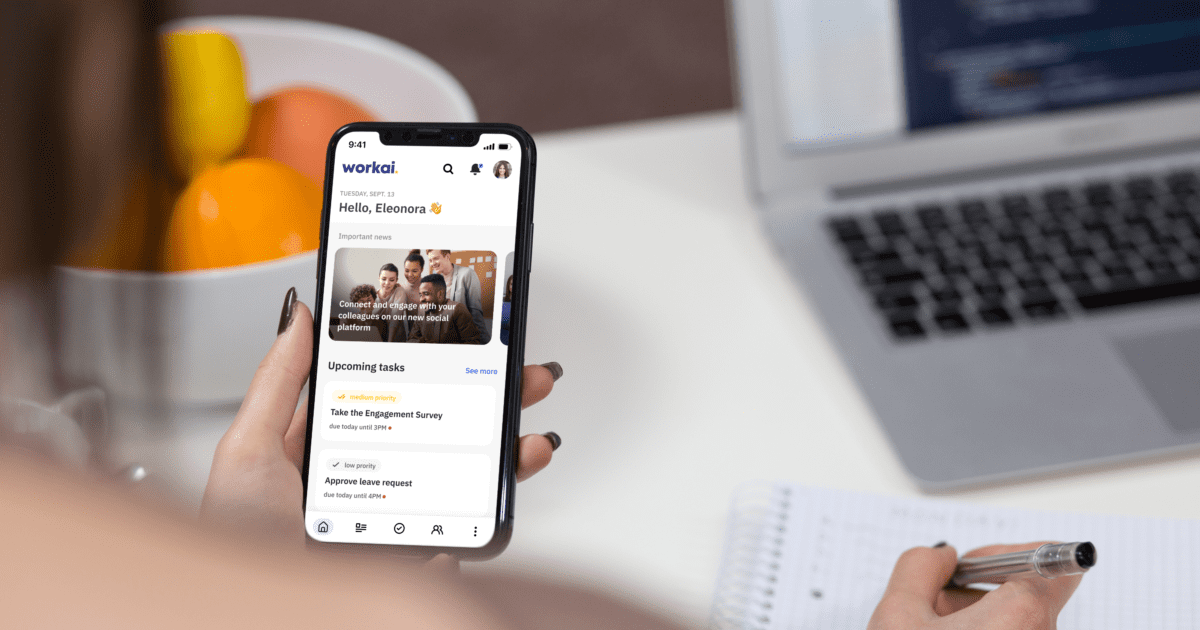

Explore workforce empowerment strategies. Decode the employee experience through innovative frameworks. Redefine success beyond monetary incentives
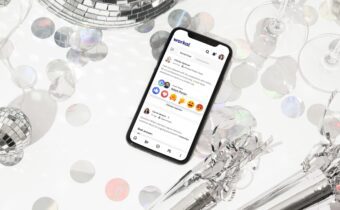
Explore the Future of Work in 2024! Gain insights on AI, Employee Experience Platforms, and transformative trends shaping tomorrow’s workplace.
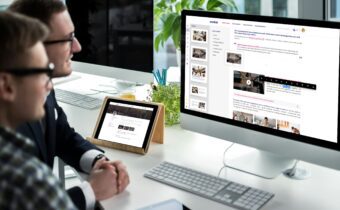
The catalysts for change Digital workspace solutions encompass a suite of tools and platforms designed to streamline work processes, foster collaboration, and create an optimal environment for employee performance. These solutions go beyond the traditional confines of office spaces, allowing employees to work seamlessly from anywhere in the world. Key components of digital workspace solutions […]
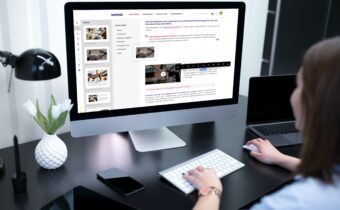
Differences and similarities of traditional and digital workplace The primary distinction between the digital workplace and the traditional office is in how employees conduct their work. Traditional offices tie work to a specific physical location and fixed hours, fostering routine collaboration. In contrast, the digital workplace introduces flexibility, allowing tasks to be performed from anywhere, […]

Understanding digital employee experience management Digital employee experience management involves the integration of digital tools and platforms to streamline and improve every aspect of an employee’s interaction with the organization. It goes beyond traditional Human Resource Management Systems (HRMS) and focuses on crafting a seamless and engaging journey for employees throughout their digital interactions with […]


Next-generation intranet – more than internal communication The development of digital business tools dates back to the 90s, with a significant breakthrough occurring during the COVID-19 pandemic. Organizations realized the limitations of internal networks and platforms hastily implemented technological solutions, revealing a new problem – the overload of applications and information chaos. It became evident […]


