WORKAI® introduces AI for Work — the AI-native approach to Employee Experience
LEARN MORE
Intranet implementations rarely fail because of missing features. Much more often, the problem appears earlier, when the organization does not know exactly what problem it wants to solve, who will use the new tool, and how the intranet should fit into people’s everyday work. Together with Infinity Group, Workai’s implementation partner, we look at how […]

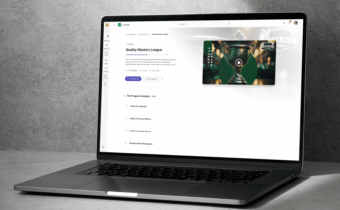
How can you centralize onboarding materials for distributed locations? A central knowledge and communication platform ensures that all new employees have access to consistent, up-to-date onboarding materials, regardless of the manufacturing site they work at. Instead of duplicating documents and procedures in every branch, manufacturing companies implement central knowledge platforms that make it easier to […]
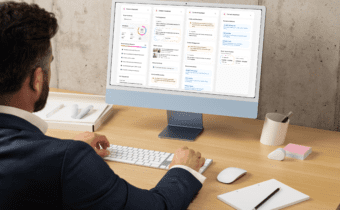
Which indicators best reflect engagement? The best indicators include the number of opens, clicks on messages, feedback, and participation in initiatives and campaigns — as they provide a measurable picture of real engagement. Statistics confirm that the mere presence of communication is not enough: according to Gallup (2026), only 20% of employees globally are truly […]
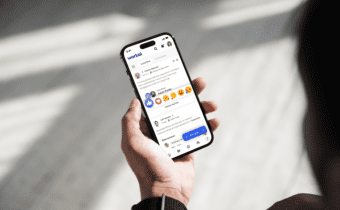
What communication channels work best for frontline employees? Mobile apps, notice boards on the production floor, and direct team meetings work best. Most manufacturing employees do not regularly use email or a traditional intranet, which is why mobile tools and communication delivered where people actually work are essential. Regular engagement with email communication ranges from […]

Why is centralized communication critical in manufacturing? Centralized communication is critical because it minimizes errors, shortens response times, and genuinely increases engagement and the sense of belonging across distributed manufacturing teams. In practice, fragmented communication leads to confusion, delays, and a loss of employee engagement. According to the latest Gallup report (2026), global employee engagement […]
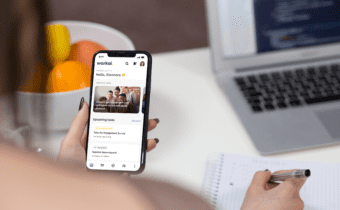
Individual employee experience In the “Unit of One” model, the fundamental unit of experience design is no longer a group, but an individual. Not as a set of demographic data, but as a dynamic profile that includes ways of working, skills, development goals, engagement level, and the context in which a person operates. This shift […]

The gap between ambition and reality Most organizations are aware that productivity is no longer just about output, but about how work is structured. Around 82% of leaders identify reclaiming employee capacity as a strategic priority. Yet only about 8% report making meaningful progress in this area. This discrepancy, often described as the Progress Gap, […]


